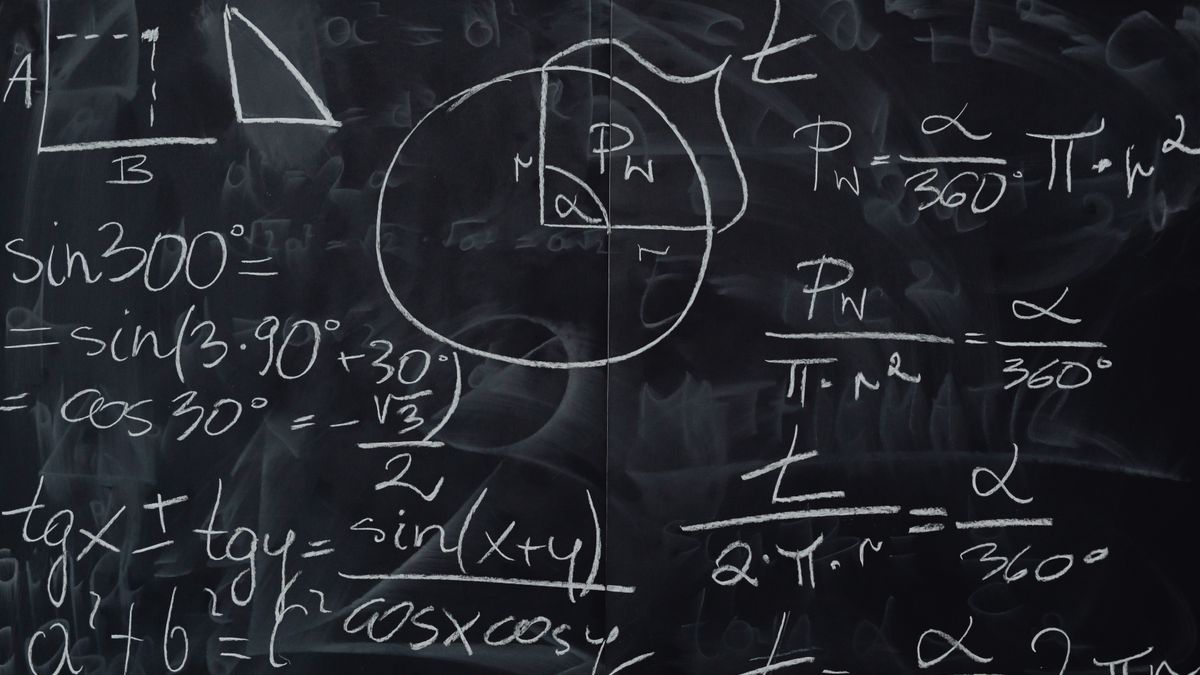
The short answer: Science, with Physics, Chemistry and Mathematics — PCM. Mathematics is the one subject nothing replaces; almost every engineering programme in India requires it, along with Physics.
That settles eligibility. Whether engineering is right for you is a different question, and it has more to do with how you feel about unsolved problems than with your marks.
The eligibility answer
The main national entrance is JEE Main, conducted by the National Testing Agency. It is used for admission to the National Institutes of Technology, IIITs and other centrally funded institutes through joint counselling (JoSAA), and many state and private colleges accept its scores too. You need Physics, Chemistry and Mathematics in Class 12.
There is no minimum Class 12 percentage to sit JEE Main, but there is one to take a seat at an NIT, IIIT or similar institute: 75% in Class 12 (65% for SC and ST candidates), or a place in the top 20 percentile of your board. Board exams are therefore not something to neglect while preparing for the entrance.
The Indian Institutes of Technology admit through JEE Advanced, which only the top performers in JEE Main can sit, and which you can attempt at most twice, in consecutive years. States run their own engineering entrances, and several universities and private institutes hold theirs. Rules are revised often, so read the current information bulletins on the NTA and JEE Advanced websites rather than anyone's summary, including ours.
What PCM is actually like
Mathematics is the spine of the combination. Class 11 Maths moves quickly from the familiar into calculus, coordinate geometry and algebra at a new depth, and Physics leans on that maths from the first term. The work is less about remembering and more about applying a method to a problem you have not seen.
Chemistry is the balancing subject: part calculation, part logic, part memory. Students who find Physics hard sometimes find Chemistry keeps their overall position steady. What Class 11 Science involves day to day is covered here.
PCM or PCMB?
| Combination | Keeps open | The cost |
|---|---|---|
| PCM | Engineering, architecture, computer science, data science, physical sciences, and most commerce and economics degrees | The medical route, which needs Biology |
| PCMB | Engineering and medicine together | A fourth full subject through Class 11 and 12, usually alongside entrance preparation |
| PCM + Computer Science | Everything PCM does, plus a practical head start for software and data | Only if your school offers it; it replaces your optional, not a core subject |
If you are torn between engineering and medicine and can carry the load, PCMB keeps both routes open where your school offers it. If you are choosing PCMB to avoid deciding, the doctor guide explains why that usually backfires. Every combination is compared here.
Engineering is not one career
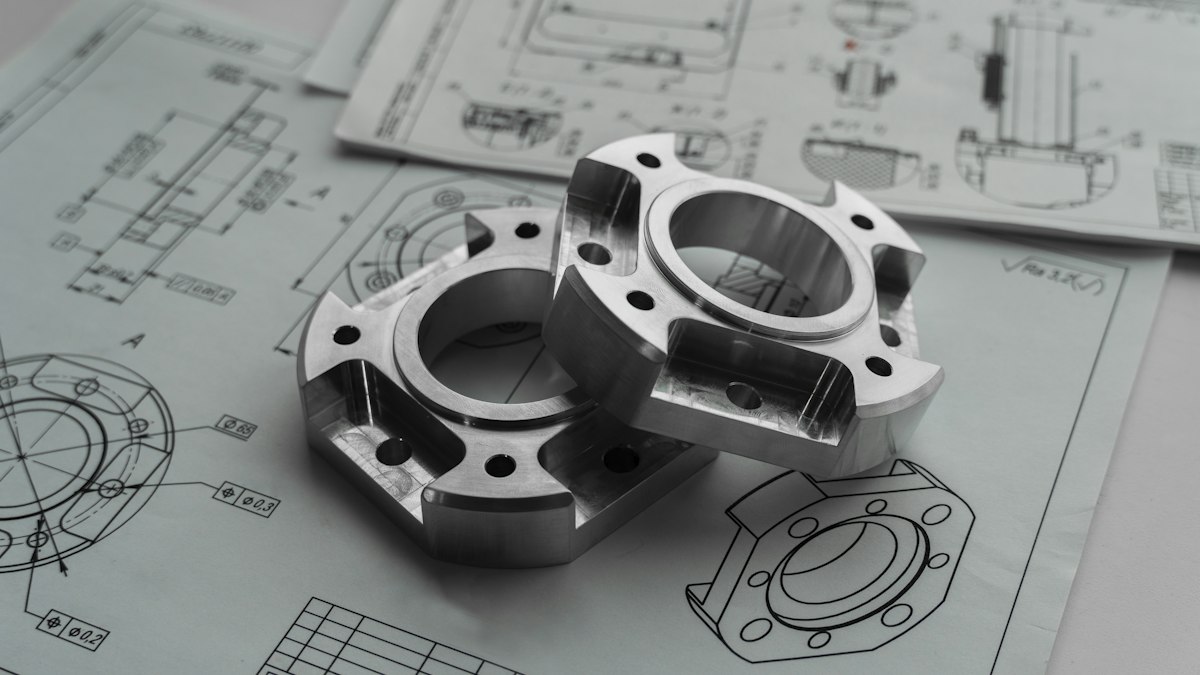
Computer science gets most of the attention, but engineering spans mechanical, civil, electrical, electronics, chemical, aerospace, biotechnology and many more, and they lead to very different work — some in offices, some on sites, some in laboratories. A student who would be glad in several branches is in a much stronger position than one for whom it is one branch at one institute or nothing.
There are also other routes in. A three-year polytechnic diploma after Class 10 can lead to lateral entry into the second year of a B.Tech, and a B.Sc in physics, mathematics or computer science leads to many of the same jobs.
The questions that matter more than the stream
- When you meet a maths or physics problem you have never seen, is your first reaction curiosity or dread? Two years of PCM, and four of engineering, reward curiosity.
- Are you choosing engineering, or choosing to avoid other options? "Everyone takes PCM" is not a reason, and one of the myths we take apart is that Science is always the safe choice.
- How do you handle pressure and comparison? Entrance preparation is intense and ranks are public within your circle.
- What is the plan if the first attempt does not get you the college you want? Decide it as a family before Class 11.
Where an assessment helps
No test can predict your JEE rank. What an assessment can show is whether your profile fits what PCM and engineering lean on: numerical ability, logical reasoning, scientific reasoning, visual-spatial ability, and study discipline. Here is how each is measured.
If you are strong in maths but your interests point elsewhere, read how to weigh aptitude against interest. And if engineering is already the goal, the detailed report lays out a Class 11–12 subject and exam roadmap from your own results.