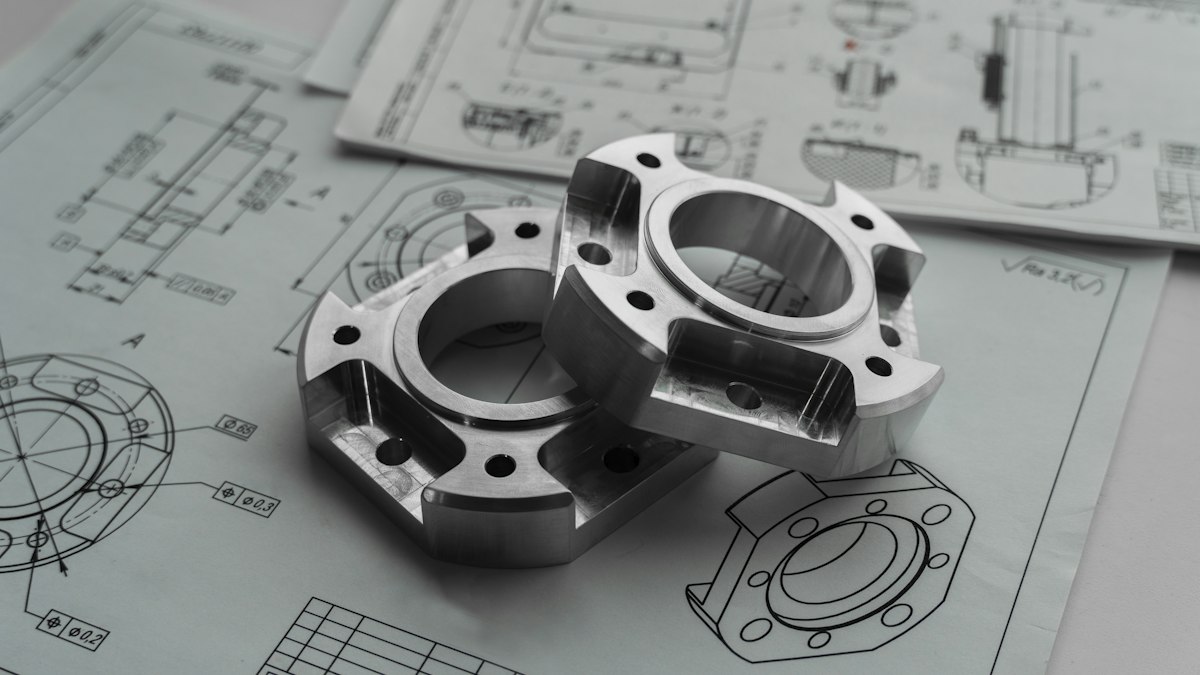
Class 11 is not the only path after Class 10. Polytechnic colleges offer diplomas in engineering and technology, and in fields such as pharmacy, architecture assistance and others, depending on the state. For some students, especially those who learn best by doing, a diploma is the better choice. For others it closes doors they did not know they wanted.
How a polytechnic diploma works
- Usually three years after Class 10, in a chosen branch such as mechanical, civil, electrical, electronics or computer engineering.
- Admission is usually through a state entrance test or merit process run by the state’s technical education board. Check your state’s current notice.
- The course is practical: workshops, labs, drawings and an industrial training component.
The route into B.Tech
Under the framework set by the All India Council for Technical Education, diploma holders can usually be admitted directly to the second year of a B.Tech or B.E. This is called lateral entry. Each state and college sets its own minimum marks and conditions, and some ask you to complete certain first-year subjects or a bridge course. So a diploma followed by lateral entry can lead to an engineering degree in roughly the same time as Class 11, 12 and a full B.Tech.
Diploma or Class 11: side by side
| Polytechnic diploma | Class 11 and 12 | |
|---|---|---|
| Style | Practical, branch-specific, hands-on | Broad, theory-heavy, exam-focused |
| Choice made | A branch at 15 or 16 | A stream, with the branch decided later |
| After it | Work, or lateral entry into B.Tech year 2 | Any degree route the subjects allow |
| Keeps open | Engineering and technical work in that field | Medicine, law, design, commerce and other routes |
Who a diploma suits
- Students who are clearly interested in a technical field and learn best by building and fixing things.
- Students who want to be able to start earning sooner, with the option of a degree later.
- Students whose Class 10 marks reflect exam technique more than ability, and who do better in practical work.
When to think twice
- If medicine is a possibility: NEET eligibility is tied to Class 12 subjects. See our doctor guide.
- If you want the NDA or exams that ask for a Class 12 pass: check how each one treats a diploma before you choose.
- If you are choosing a diploma mainly to avoid school, rather than for the work itself.
If your Class 10 marks are what is pushing you towards a diploma, read how to judge low marks first. And if engineering is the goal either way, our engineering guide compares the routes.
Where an assessment helps
A diploma is a specialised decision made early. An assessment can show whether your aptitude and interests point towards technical, hands-on work or towards a broader academic route. Here is how we measure them, and the report ranks the streams against your results.