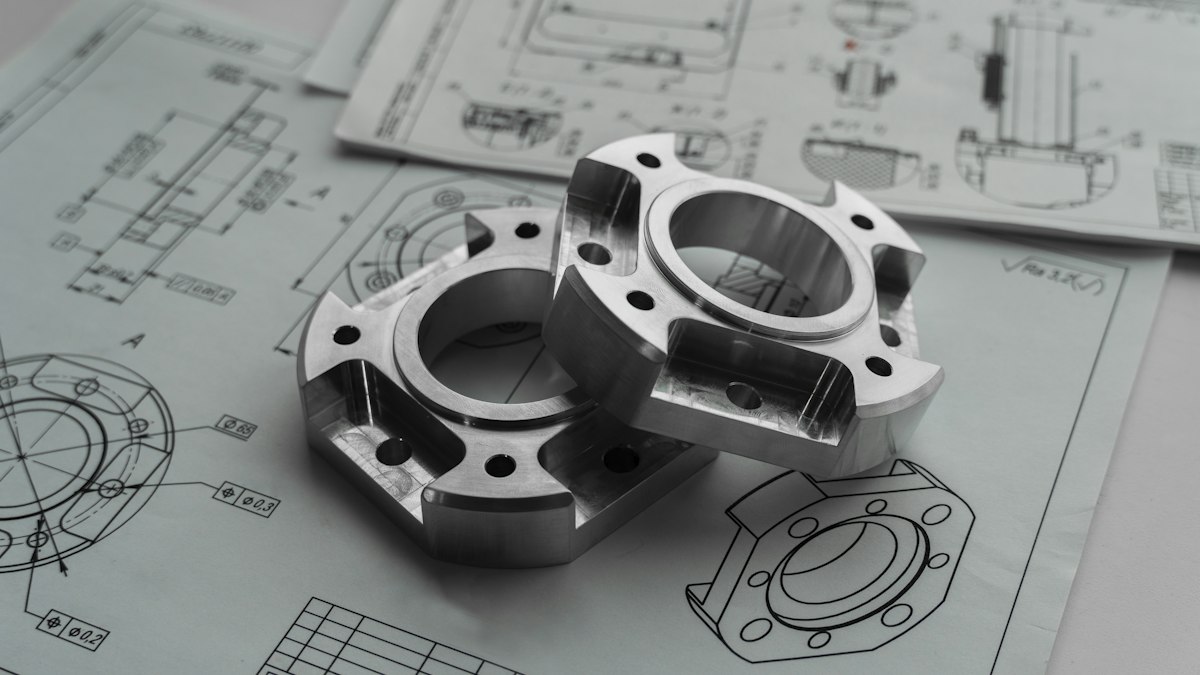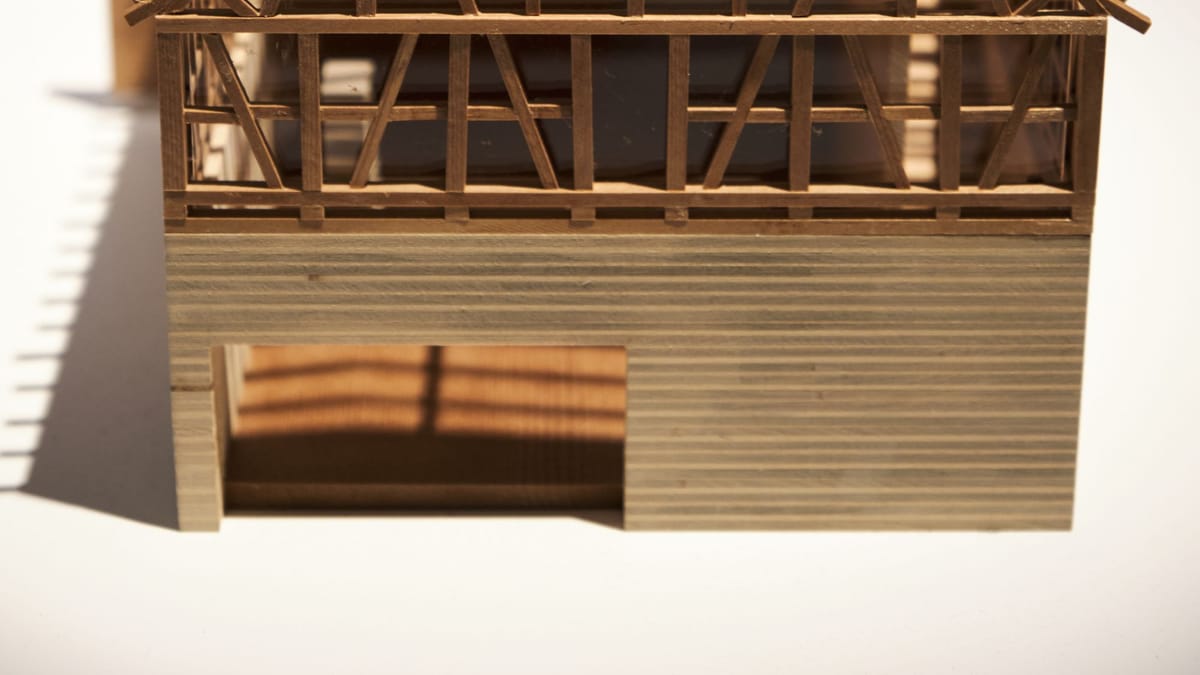
Architecture sits between art and engineering. You design buildings and spaces, but you also have to make them stand up, meet rules and work for the people inside them. In India the stream decision for architecture is narrower than many students expect, because of one subject: Mathematics.
The subject rule
To be eligible for NATA, the aptitude test run by the Council of Architecture, you need Class 12 (or an equivalent) with Physics, Chemistry and Mathematics, or a three-year diploma with Mathematics. The Council also sets minimum marks, which you should check in the current NATA brochure. In short: without Maths in Class 12 the B.Arch route is closed.
How admission works
- NATA tests drawing, visual and spatial reasoning and general aptitude. It is used for admission to many architecture colleges.
- JEE Main has a separate paper for B.Arch, used by NITs and some other institutes.
- Some colleges and states add their own process. Check the admission notice of each college you are interested in.
The B.Arch is a five-year professional degree. To practise as an architect in India you register with the Council of Architecture after qualifying.
What the work is actually like
Architecture school is studio-based: you design, draw, build models and present your work for critique, often late into the night before deadlines. You also study structures, building materials, history and building services. Students who love drawing but dislike maths find the technical side hard; students who love maths but dislike drawing find the studio hard. Most who enjoy it like both.
Architecture, engineering or design?
| If you most enjoy… | Consider |
|---|---|
| Designing spaces people live and work in | Architecture |
| Making structures and systems work, more maths and less drawing | Civil or other engineering |
| Visual design, products, fashion or communication, with any stream | Design |
How to test the choice now
- Draw something three-dimensional, such as your room or a street, from memory. Did you enjoy it?
- Look at sample NATA drawing questions and try one.
- Check your comfort with Class 10 geometry and mensuration, which architecture builds on.
- Visit a building you like and ask why it works. Architects think this way constantly.
Where an assessment helps
Architecture leans on spatial reasoning, numerical ability and creative interest. An assessment can show how you score on these together, which marks alone do not. Here is how we measure them, and the report ranks the streams against your results.